


8 Interesting Facts About Merdeka PNB 118, World’s 5th Highest Tower
Merdeka PNB 118 or also known as KL118 is a 118 floor mega tall skyscraper currently being built in Kuala Lumpur, Malaysia. Merdeka means Independence Day in Malaysian, the name of the tower commemorates the independence of Malaysia, additionally the tower will be built on the site of the former Merdeka Park. PNB is the abbreviation of Permodalan Nasional Berhad, which is Malaysia’s biggest fund management company and the owner of the tower.
Here are 8 interesting facts about Merdeka PNB 118 you would want to know:
Covers 118 Floors With An Altitude of 610-630 Meters

The tower will consist of 4 components, namely 82 stores of office floor; 18 floors are reserved for six-star luxury hotels; 18 floors for sky lobby , observation deck , as well as mechanical and electrical facilities as well as a 7-storey shopping mall of 900,000 square feet.
The Tallest Tower In Malaysia, The Third Highest In Asia, And The Fifth Highest In The World

The world’s tallest tower, Burj Khalifa in Dubai, UAE with a height of 828 meters.

The second tallest tower in the world, Shanghai Tower in Shanghai, China with a height of 632 meters.
Within a few years, the list of the world’s top 5 buildings will be:
1. Kingdom Tower in Jeddah, Saudi Arabia (1008 meters)
2. Burj Khalifa in Dubai, UAE (828 meters)
3. Wuhan Greenland Center in Wuhan, China (636 meters)
4. Shanghai Tower in Shanghai, China (632 meters)
5. Merdeka PNB118 in Kuala Lumpur, Malaysia (630 meters)
The Building Will Cost RM5 Billion And Will Be Built in 3 Phases, On A 19-Acre Land In Kuala Lumpur
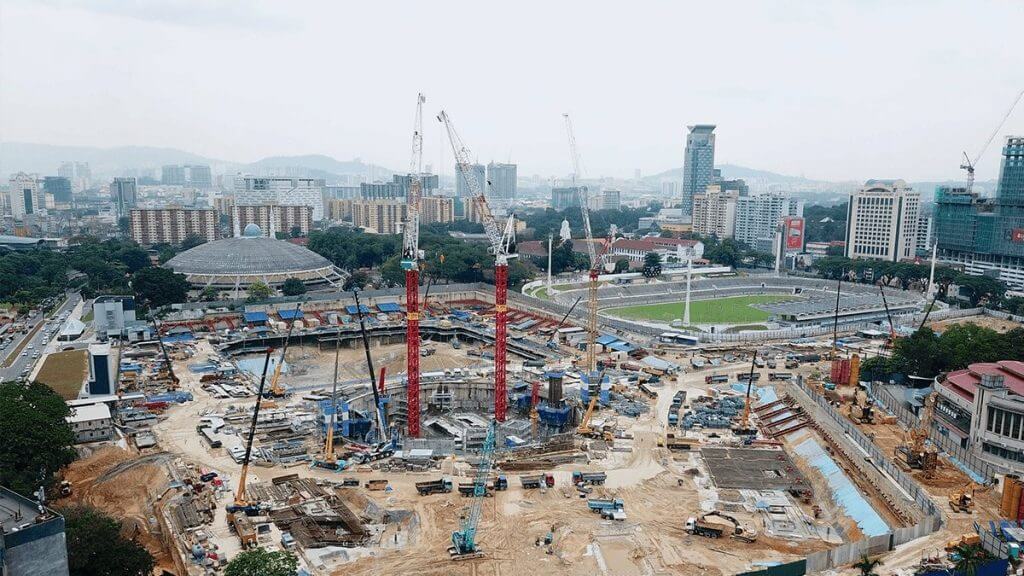
Construction for the first phase of the project has begun back in 2014.
The 3 phase project is expected to be fully completed by 2024. The first phase of the project will involve the 118 Tower and 7-storey shopping mall project, which has already begun construction back in 2014, and is scheduled to complete in 2020. PNB will ensure that the cost of construction remains on the allocated RM5 billion budget.

Aims To Grow The Economy And Provide Employment Opportunities

The project is expected to create a major economic benefit chain as high as RM11 billion. In addition to promoting economic activity, this project is expected the creation of more than 10,000 job opportunities.
Very Environmentally Friendly

The tower will be the first building in Malaysia to achieve a triple green building platinum accreditation by local and foreign bodies, including the Green Building Index (GBI)
Designed By An Australian Architecture Firm Fender Katsalidis Architects
Using custom services by architectural firms from Australia, Fender Katsalidis Architects who also built Australia’s 108 landmark in Melbourne. In addition, Fender Katsalidis Architects is also involved in the construction of luxury housing projects in Taman Duta in Kuala Lumpur.
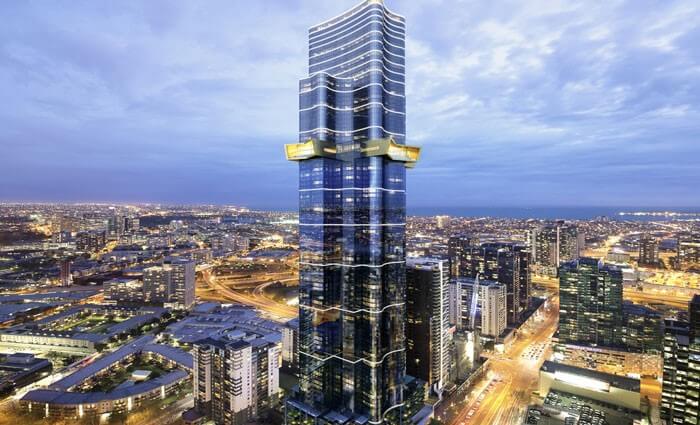
Australia 108
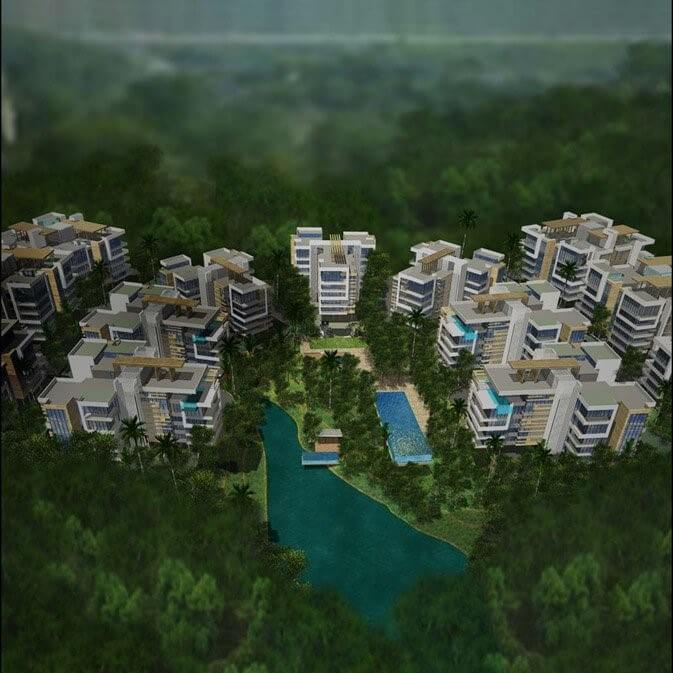
Duta Park
Easily Accessible
Connected to the Merdeka MRT station, the Maharajalela Monorail station – which will connect it to the rest of the LRT network.


Leviat in Malaysia Has Been Providing Technical Solutions Since The Early Stage Of The Project
Leviat has supplied more than 60,000 high quality Moment® JoinTec Couplers and Corrugated Ducts to a few contractors involved in this prestigious project.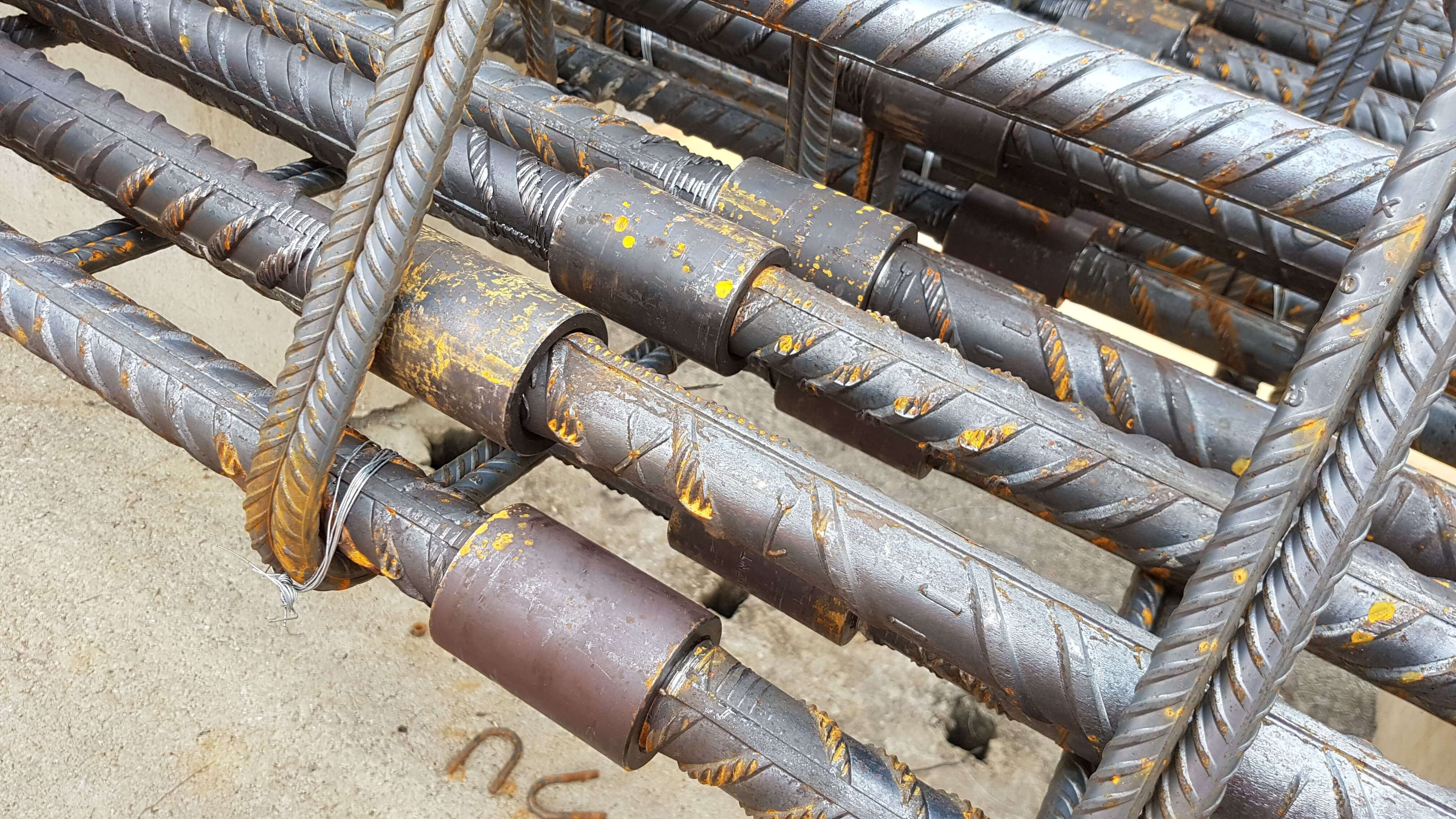

Watch the Merdeka PNB118 video produced by RSP Architects Sdn Bhd here:
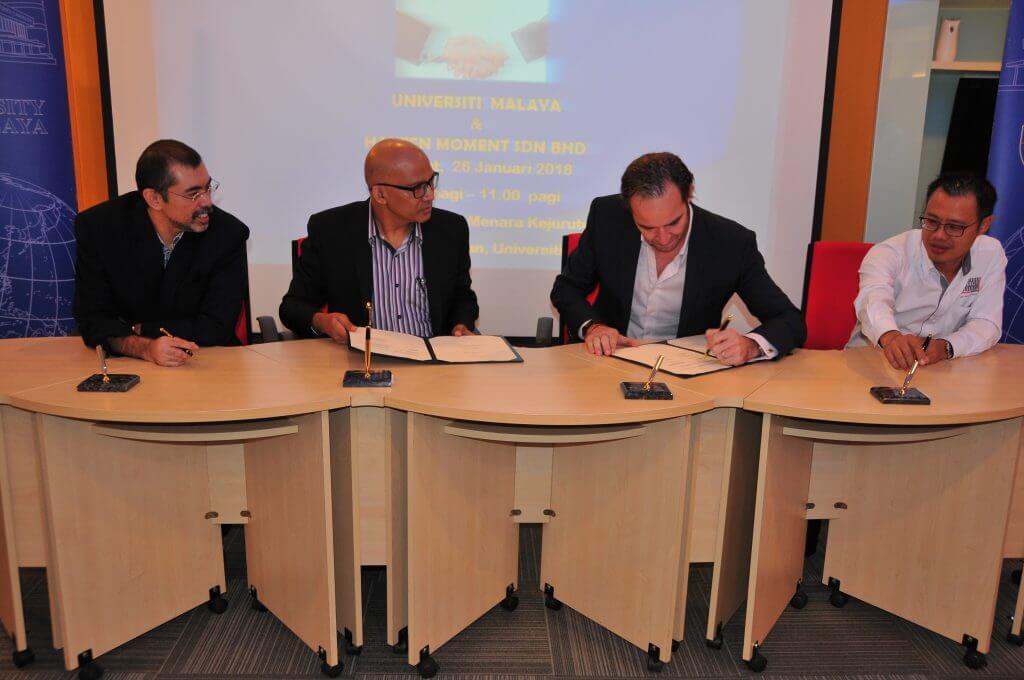
MOU Paves Way for Halfen Moment and University Malaya
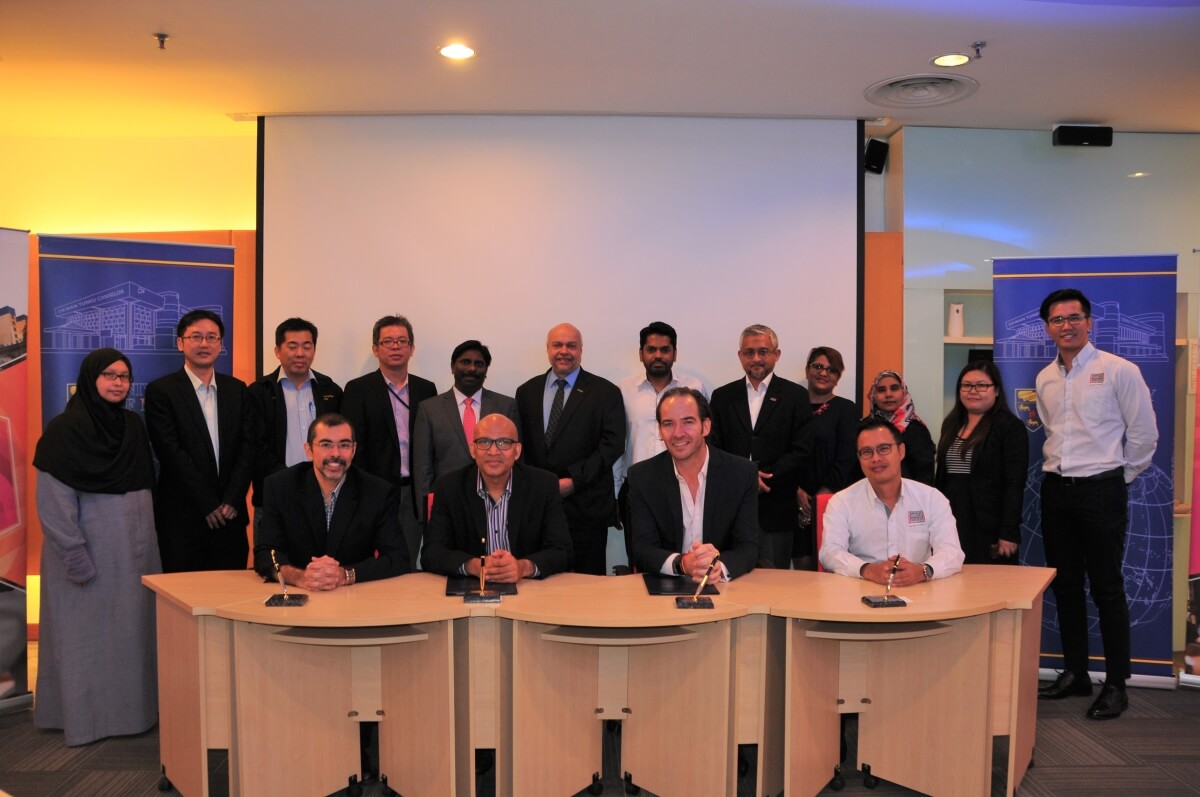
With the support from InvestKL, Halfen Moment Malaysia and the Faculty of Engineering, University Malaya signed a Memorandum of Understanding (MOU) with a general framework to promote and develop the construction industry in Malaysia.
Based on the US News 2018 Best Global Universities Ranking report, University Malaya’s Faculty of Engineering has been placed at 10th position among global universities in the field of engineering, which showed that the R&D work in the university and its faculty specifically was of high quality and referred globally.
The MOU was signed by Andi Lapon, Managing Director of CRH CA Asia while Prof Dr Abdul Aziz Abdul Raman, Dean Faculty of Engineering signed on behalf of University Malaya.
Under the terms of the MOU, both parties will collaborate intensively and develop innovative programs to develop efficient building materials products and solutions.
Construction is becoming more and more a dynamic and challenging industry, this collaboration provides us with unlimited opportunities and driving force behind our strategy for innovation. Building on the knowledge and research from University Malaya’s graduates and postgraduates, we hope to provide the building industry with new and better solutions in order to speed up efficiency in construction.

Precast Connection Using Moment® Grout Coupler


Main Contractor: PanaHome Malaysia
Product Supplied: Moment® Half Grout Coupler
Project Description
The Requirement: A mechanical connector to connect the reinforcing bars end to end, suitable for assembling precast elements.
The Solution

Moment® Half Grout coupler was mounted on T16 rebar which has been threaded with JoinTec threading which makes the installation easier as the first rebar has been tightly screwed to the couplers before casting. The couplers were installed at the bottom of each precast element, are then cast as part of the precast wall panel element.

After bracing the precast panel in its final position, non-shrink grout was injected into the cavity of the coupler to create the rebar connection. Moment® Half Grout coupler requires less usage of grout and is not dependent on any specific type of grout. Different brands of grout can be used, easing local scouring and to keep the costing low. The bracing around the panel was then removed after the grout has attain the prescribed strength.
The Result
Fill In The Contact Form & Let Us Drop You A Call For A Free Consultation!
Related Articles You May Be Interested
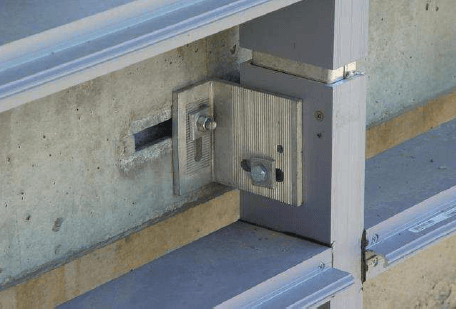
Use Of Toothed Anchor Channels For Facades In Seismic Regions
Over recent years there have been some catastrophic earthquakes around the world. Therefore, it is not a surprise that Singaporean authorities are moving towards seismic design for critical structures such as Hospitals. However, it is important to highlight that designing the structures to withstand seismic actions is only part of the puzzle. In addition to the seismic actions, it is vital that the detailing of the structure, specification of the materials and selection of the products is also taken in to consideration.
In fact, some seismic tests for products are quasi static in nature and do not truly represent an actual earthquake. Therefore, additional tests such as Charpy V-Notch impact tests might also be needed to prove fitness for use in a seismic region.
In the case of a façade anchoring, where a failure can easily see a 200+kg panel falling from the side of a high rise structure, this suitability is especially critical as the current method of anchoring them to the structure usually uses cast in channels that only have high load carrying capacity in 2 axes.
With large lateral ground accelerations during an earthquake, the applied loads in the third axis (along the length of the channel) are much higher when seismic actions are considered. This has led to the development of serrated or toothed channels which have a significantly higher capacity in the third axis.
Anchor Channels are regulated in Europe under the European Assessment Document (EAD) 330008-02-06014 and designed with the standard PrEN 1992-4. In the United States of America they are tested to AC232 – Acceptance Criteria for anchor channels in Concrete5 by the Evaluation Service of the International Code Council (ICC-ES), but currently in Singapore we do not have a certification process and tend to follow the European Technical Assessments (ETAs). These documents all use the same design principles for tension and shear loads perpendicular to the longitudinal axes of the anchor channel. Since February 2016, AC232 also covers loads in the longitudinal axis of the anchor channel and includes the design for seismic conditions allowing their use in all seismic design categories (A – F) provided the channels are capable of providing resistance in all three axes. A common approach to achieve a load capacity in the longitudinal direction is to use the above mentioned serrated channels.
Serrated channels contain teeth along the inside of the channel lips and are used with channel bolts with a matching serration. The channel and bolt serrations create an interlock between the two surfaces which provides a positive connection capable of resisting shear loads in the longitudinal direction of the channel axis. Toothed Anchor Channels have been used in multiple projects worldwide including the anchoring of the curtain wall façade of the Broad Museum in Los Angeles or the Tanjong Pagar Mixed Development project which required particular attention to seismic design.
Plain anchor channels with plain T-bolts can take over longitudinal loads based on the friction between the channel and the T-bolt, but the capacity relies on the torque of the T-bolt. International standards and regulations do not allow friction based connections and thus plain anchor channels in combination with plain T-bolts cannot be used in applications that require longitudinal loading.
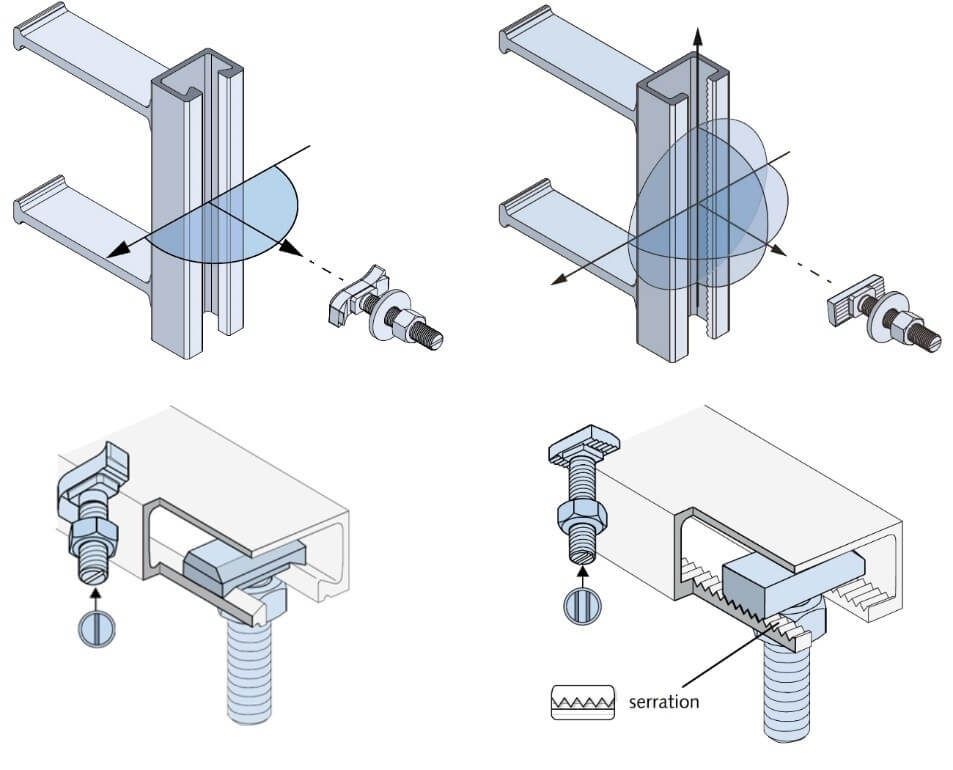
Anchor channels with plain and toothed lips and T-bolts
The design approach as described in AC 232 allows for a design of serrated anchor channels to provide a safe and reliable way to connect façade panels to concrete. The use of the slotted holes will still allow the adjustability required to overcome building tolerances and the absence of welding will increase safety and productivity.
Related Articles You May Be Interested

Christmas Quiz Contest- Win A Pair Of Movie Tickets!
Ho ho ho! As we start to warm up to the Christmas spirit, Halfen Moment Group would like to give out 20 movie tickets!
Answer 6 questions below and stand a chance to be 1 of the 10 winners to win a pair of Movie Tickets for this coming Christmas!
Quiz
Question #01: What is the name of the product with number 17 placed on the Product Solutions Map of Precast Structure?
Question #02: Name 3 of 6 key drivers on why you should choose Halfen Moment as your Building Solution Provider.
Question #03: Which company in India has given Halfen Moment a testimonial on the ‘commitment towards customer needs and strong focus on ‘Lead with integrity’’?
Question #04: Which are the 5 latest developed products for precast concrete connections?
Question #05: Which product in the Precast Technology Category provides a solution for connection to foundations or for linking columns together?
Question #06: How many threads were produced by Halfen Moment for the Kahramaa, mega reservoir project?
Tips: All answers are available on www.moment-solutions.com! Hurry up!
Send your answers to john.lim@halfen-moment.com along with your name!
Winners will be announced on our website!
Updated (15/12/2017)

We are pleased to announce that the winners of the quiz, they are:
1) John Sim
2) Derrick Tee Kai Yang
3) Ling How Ing
4) Irene Wong Bi Xia
5) Nurul Fattiha
6) Nik Moh Shafizul
7) Gwen Loke
8) Katherine Ang
9) Sharrina
10 Mohamad Sahril
Prizes will be winging their way to you before Christmas! And for all of you who needed a bit of help, here is the Quiz Answer Sheet.
Great work everyone, Merry Christmas and wishing all of you a Happy New Year 2018!
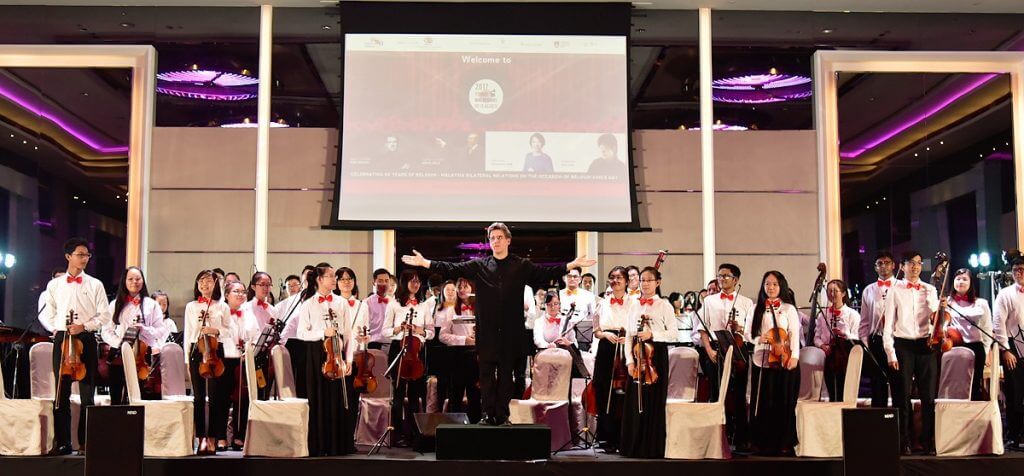
Proud Silver Sponsor of Young Malaysians Go Classic II
Halfen Moment was a proud Silver Sponsor of Young Malaysians Go Classic (YMCG) II, hosted by the Malaysia Belgium Luxembourg Business Council (MBLBC), which ended successfully at Connexion @ Bangsar South on 16 November 2017.
The YMCG II, a CSR-initiative by MBLBC is all about giving the local community a chance to express themselves through music and allowing all their years of discipline and hard work to mature on a public stage. The main goal is to provide artistic exposure to local communities and future leaders.
Nearly a hundred young musicians and choir members, led by Belgian conductor Sir Dirk Brosse, brought a memorable night of music to nearly a thousand live audiences. This event was held on the occasion of the Belgian King’s Day as well as the 60th anniversary of bilateral ties between Belgium and Malaysia.
Datuk Ahmad Maslan, Vice Minister of International Trade and Industry of China, also made a speech yesterday at the opening ceremony with Belgian Ambassador Daniel Dargent and MBLBC President James De Caluwe.
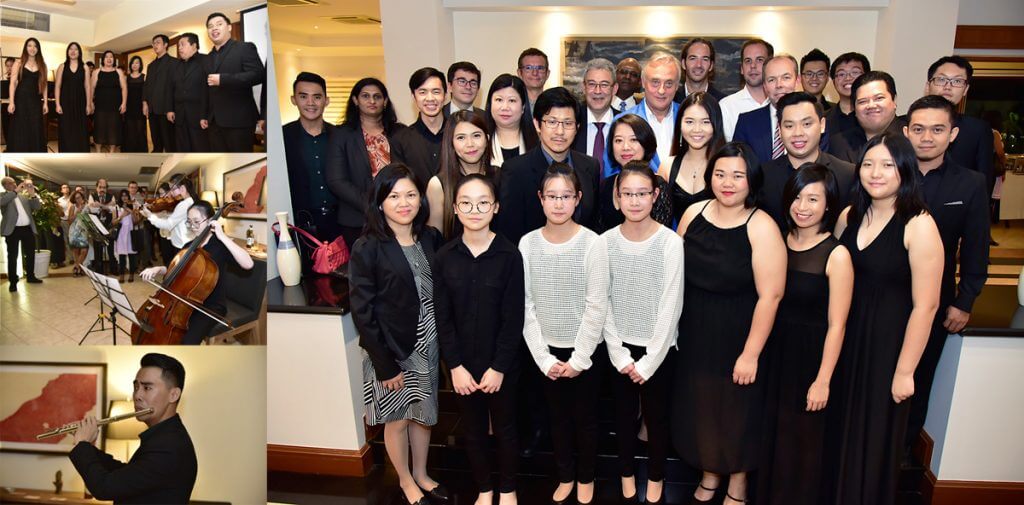
Musicians brought live performances at the The Young Malaysians Go Classic II press conference held at the Belgium Ambassador’s Residence.
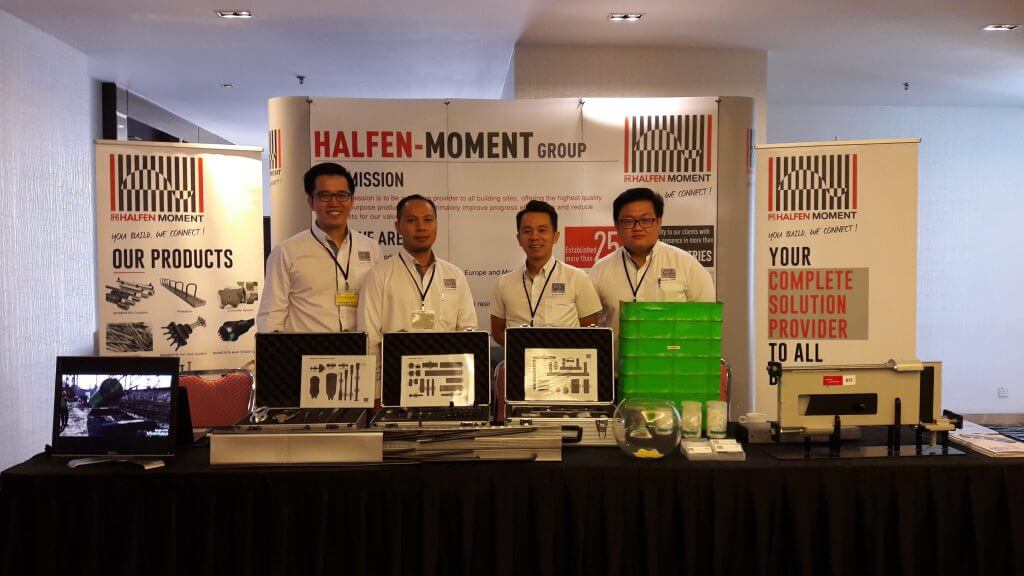
Jointly Held Seminar with Institution of Engineers Malaysia
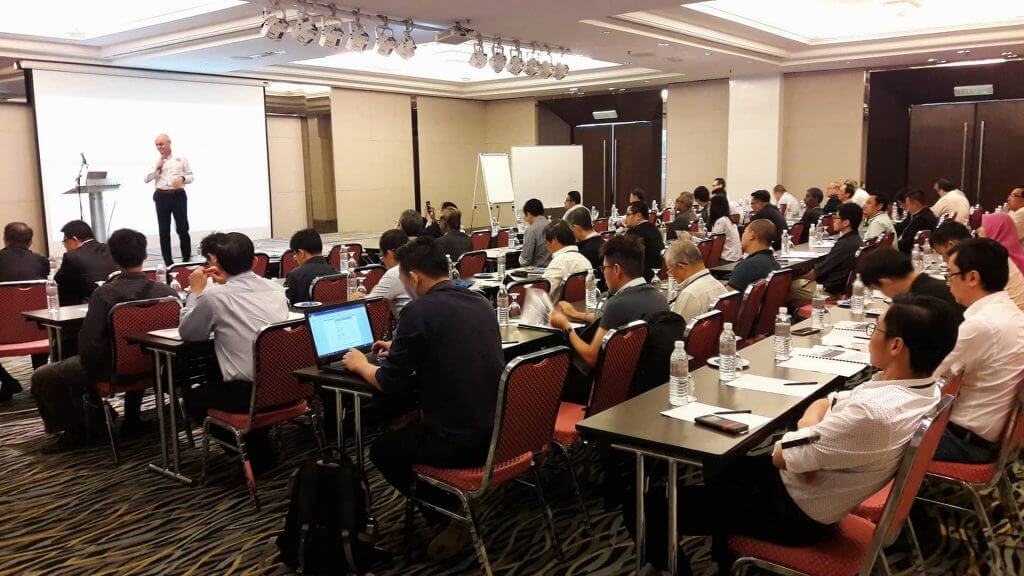
Jointly held seminar with IEM at Armada Hotel
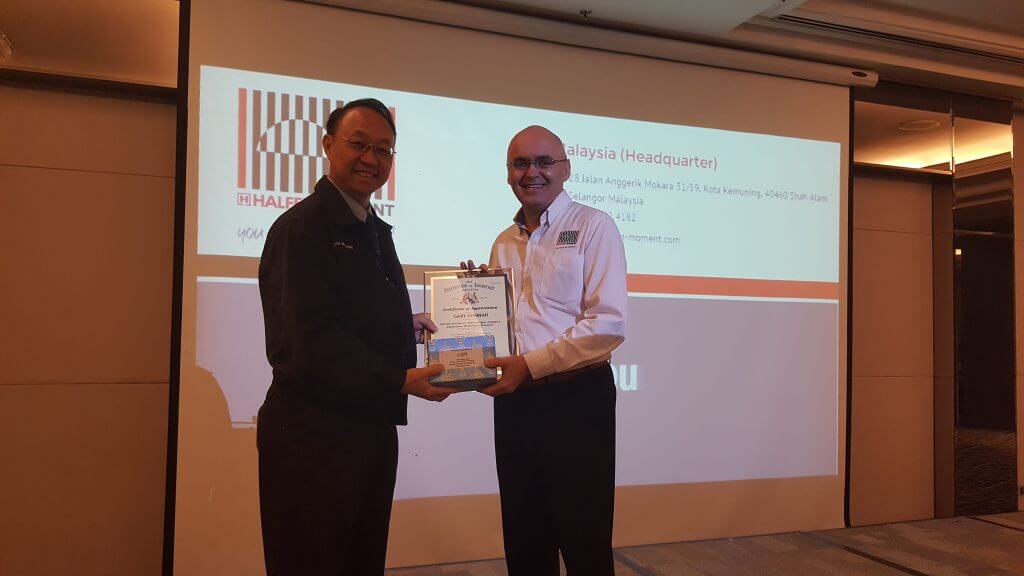
Token of appreciation from IEM to the speaker, Gary Connah
With the close collaboration with IEM Malaysia, Halfen Moment Malaysia succeeded in organizing a half day seminar for the engineers from Civil and Structural Engineering Technical division. The topic conducted was focused on one of our key products, Mechanical Splices, where we presented the different types of mechanical splices available in the market, with different benefits and applications.
The speaker, Gary Connah, Managing Director of Halfen Moment Singapore covered many topics during the workshop and did an outstanding job sharing his 20 years expertise to the engineers, broadening their knowledge on how mechanical splices can play a big role in simplifying the design of reinforced concrete, speeding up construction and reducing the amount of reinforcement required.
More than 70 engineers and customers attended this seminar and Halfen Moment Malaysia would like to thank all who have attended and hope that you had a fruitful and informative session.
Stay tune for more IEM collaboration events next year, and we look forward to meeting you at our next event!
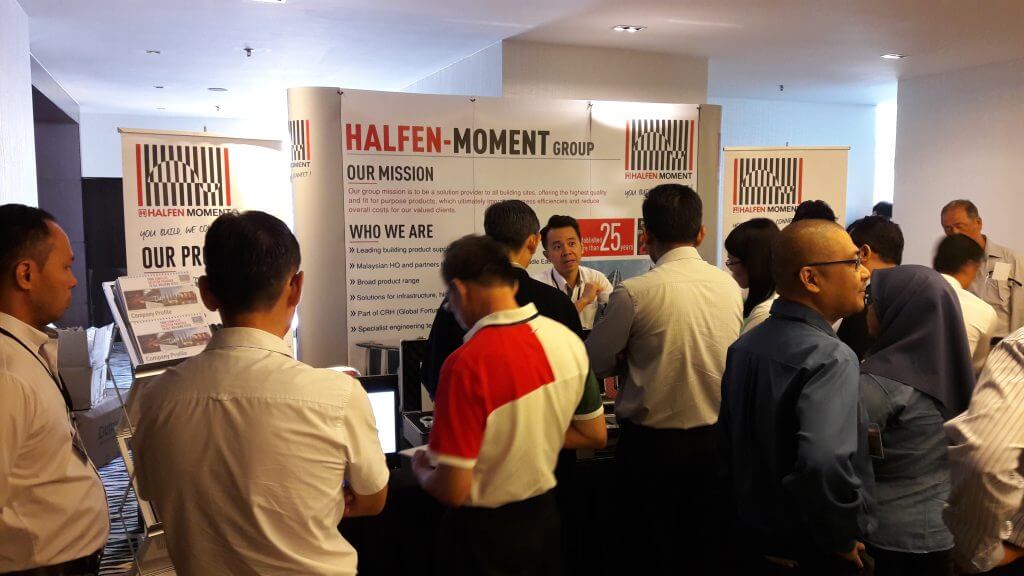
Inspiring meetings and interest from participating engineers in our products
Halfen Moment Malaysia Team

Concept Designs for Kuala Lumpur-Singapore High Speed Rail Stations Unveiled
MyHSR Corp has presented the architectural concept designs for all seven stations of Kuala Lumpur-Singapore HSR in Malaysia including Bandar Malaysia, Bangi-Putrajaya, Seremban, Melaka, Muar, Batu Pahat and Iskandar Puteri. The designs of each station were conceptualised to reflect not only the diverse heritage, culture and identity of each city along the HSR corridor, but also demonstrates the growth vision that will be accomplished with the KL-SG HSR.
Bandar Malaysia- My Gateway
Bangi-Putrajaya- My People

Seremban- MyVision

Melaka- MyHeritage

Muar- MyFuture

Batu Pahat-My Culture

Iskandar Puteri-My Encounter

Source: HSR Corp
Related Articles You May Be Interested

10 Things To Know About The Kuala Lumpur-Singapore High Speed Rail

First conceived in 2013, the Singapore-Kuala Lumpur High Speed Rail (HSR) has been four years in the making. Malaysian Prime Minister Najib Razak signed an agreement with Singapore Prime Minister Lee Hsien Loong in Putrajaya on July 19 2016. The rail project has been billed as a “game-changer” that will boost connectivity, strengthen economic ties and forge closer ties between people of both countries.
Here are 10 points to note about the HSR project:
Estimated Operational Date
8 Stations
The planned stations are Kuala Lumpur, Putrajaya, Seremban, Ayer Keroh, Muar, Batu Pahat, Iskandar Puteri and Jurong East. The Singapore station will be located at Jurong East, where Jurong Country Club is currently located.
350km Total Distance
Shorter Travel Time
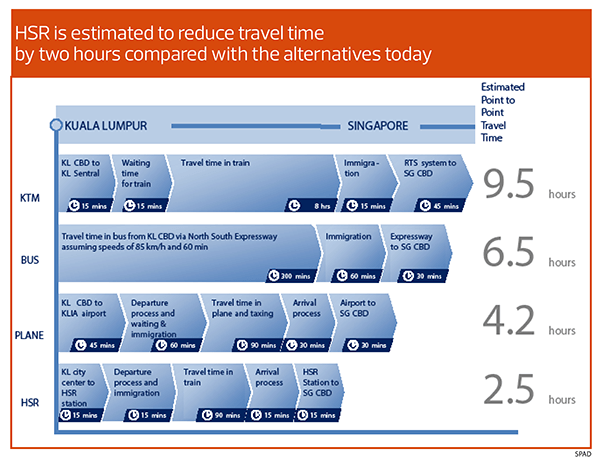
3 Services With 2 Separate Operators
The Domestic service will consist of stations within Malaysia only, from Kuala Lumpur to Iskandar Puteri stations. Having 2 different OpCos will allow the HSR to better cater to the different needs of their passenger profiles. OpCo Domestic will also give Malaysia more flexibility to regulate its own internal service. The Express and Shuttle service will be given scheduling and operational priority over the Domestic Service.
Each Country Is In Charge Of Its Own Stations And Infrastructure
This will be undertaken by MyHSR Corporation in Malaysia and the Land Transport Authority (LTA) in Singapore.
Implementation Of A Bilateral Committee
A working-level joint project team will also handle all matters that require coordination and joint engagement between Singapore and Malaysia.
Co-located CIQ Concept (Seamless Travel)
International-bound passengers will need to go through CIQ clearance by both Singapore and Malaysia authorities only at the point of departure, ensuring swift and seamless travel.
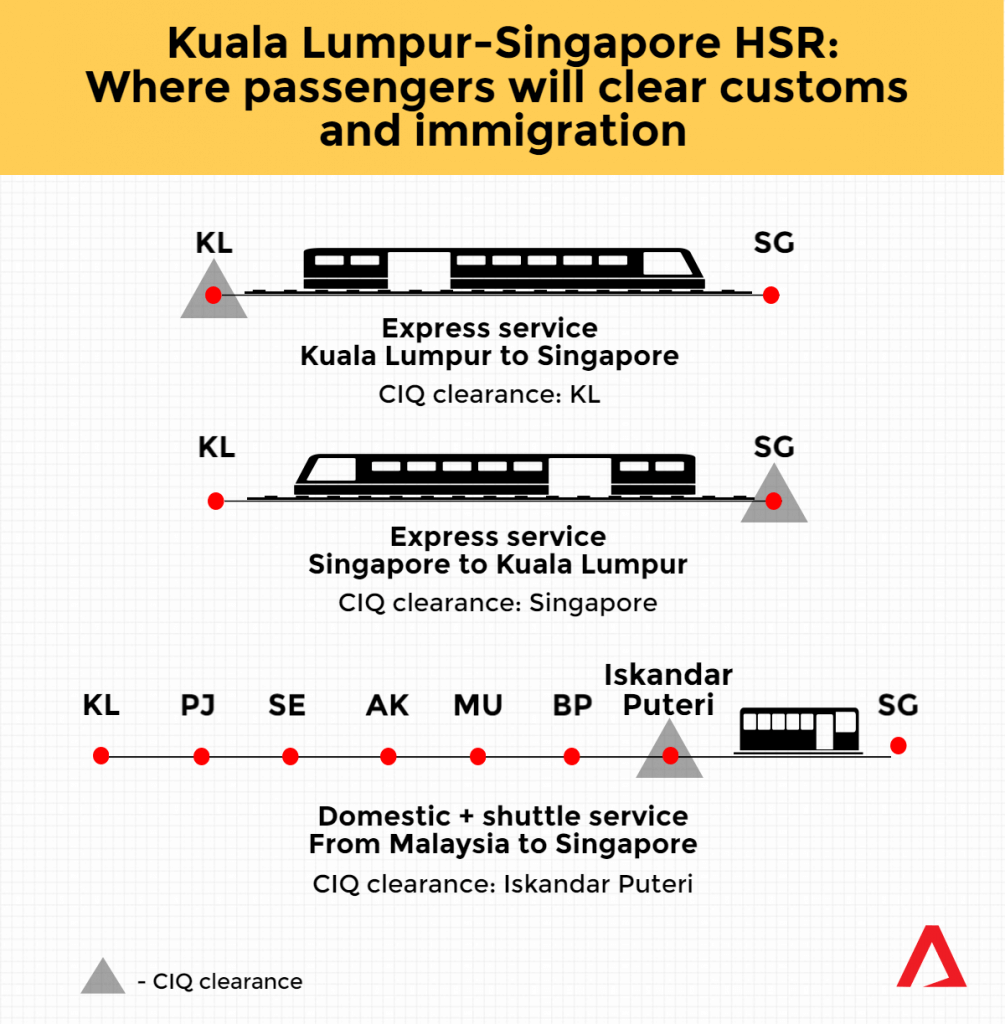
Biggest Challenge: Line's Alignment In Malaysia
What they believe is tougher is the drafting of the tender documents and contracts before 2021, as well as the biggest challenge of finalizing the line’s alignment of the 350-kilometre long route, much of which is in Malaysia.
Round Trip Under RM400
In Singapore, prices are expected to hover around S$80-90 for a trip, though it is unclear as to whether or not said fare includes a return journey.
Related Articles You May Be Interested
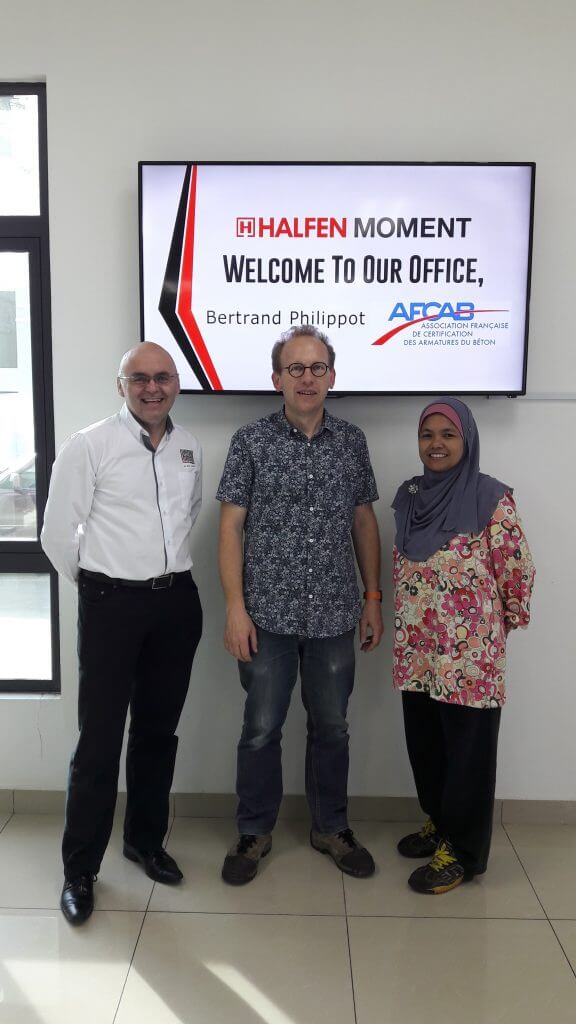
Moment® JoinTec Coupler now also available with AFCAB Certification
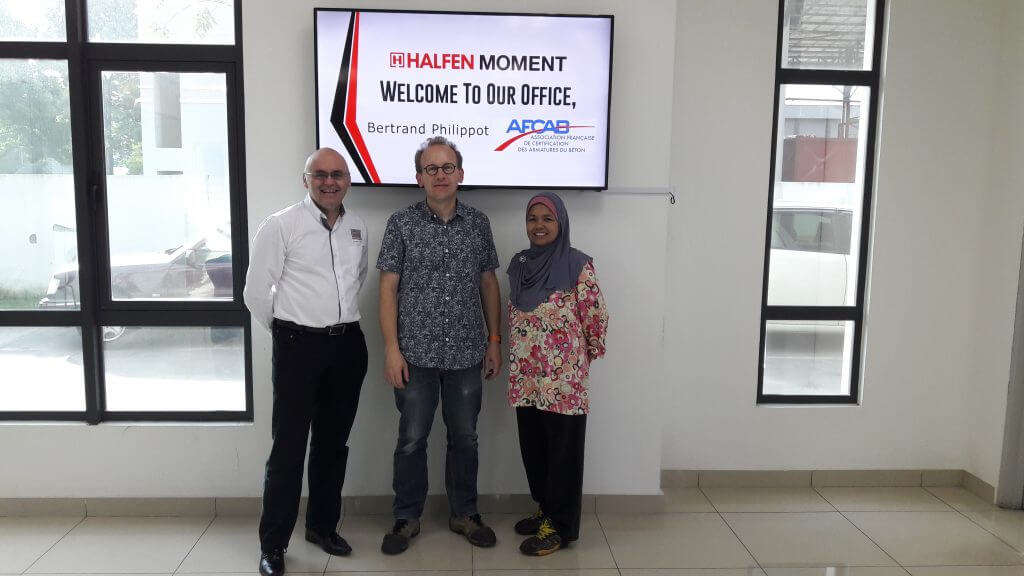
AFCAB is a French independent and transparent body set up in 1990 which delivers certificates of conformity to companies that manufacture or fix on-site concrete reinforcing steel or their accessories. After a series of auditing from an AFCAB representative, Moment® JoinTec Coupler T16-T40 is now certified with the prestigious AFCAB certification.
Why Should You Purchase Couplers That Are Certified by AFCAB?
What AFCAB Requests To Grant A Certificate?
The AFCAB mark is to verify that the certified couplers:
1) were initially assessed against a technical file to enable the performance of mechanical splices that fulfil the criteria of NF A 35-020,
2) are manufactured against drawings, and production documents provided at the initial assessment,
3) are checked at each stage of the manufacturing.
What Are The Performed Checks?
A quality system which is based on sectorial application of the NF EN ISO 9001 standard is to be implemented in the factory. It shall in particular assure:
1) the control of the final check documents,
2) the check and the identification of the semi-finished products that may be purchased,
3) the identification of the finish products (labels and on-product marking),
4) the control of the manufacturing process,
5) the control of the conformity of the manufactured products,
6) the control of the measurement and test apparatus,
7) the control of non-conformities and corrective actions,
8) the storage of records, especially the final test documents.
The certified factory will be audited once a year to verify the implementation of the certification rules and the quality documents.